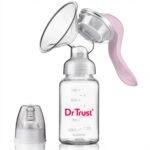
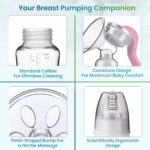
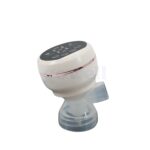
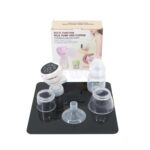
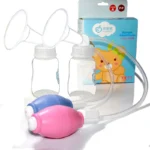
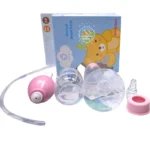
Buy Best Breastfeeding Pumps in Bangladesh
The journey of motherhood is beautiful, but it can also be exhausting—especially when it comes to feeding your newborn. Whether you are a working mother returning to the office, someone trying to build a milk stash, or a mom dealing with latching issues, a reliable breast pump is one of the most valuable tools you can own.
With so many options on the market, from a simple hand breast pump to a high-tech wearable breast pump, choosing the right one can feel overwhelming. In this comprehensive guide, we will break down everything you need to know: from finding the best breast milk pump for your specific needs to understanding the current breast pump price in Bangladesh.
We will also cover essential breast pumping tips, proper flange sizing, and how to safely store your expressed milk.
A breast milk pump machine is a medical and lifestyle device designed to extract milk from a lactating mother’s breasts. It mimics a baby’s natural sucking rhythm to trigger the let-down reflex and draw milk into an attached container.
You might consider investing in a breast suction pump for several reasons:
Returning to Work: A hospital breast pump or a strong electric breast pump allows working mothers to maintain their milk supply while away from their babies.
Relieving Engorgement: Pumping a little milk can soften the breast, making it easier for the baby to latch.
Increasing Milk Supply: Many mothers ask, “Does breast pump increase milk supply?” Yes. Frequent pumping signals your body to produce more milk. (Conversely, if you ask, “Does breast pump decrease milk supply?”—it only happens if you are using the wrong flange size, pumping infrequently, or using a weak pump that doesn’t empty the breast).
Partner Feeding: Pumping allows fathers and caregivers to feed the baby using breast pump bottles, giving the mother a much-needed break.
Medical Necessity: If your baby is premature or in the NICU, a high-grade breast pump machine is essential for providing them with breast milk.
2. Types of Breast Pumps: Manual vs Electric vs Wearable
Understanding the difference between a manual vs electric breast pump is the first step in making the right choice. Let’s look at the four primary categories available today.
Manual Breast Pumps
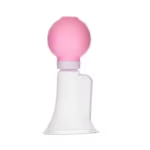
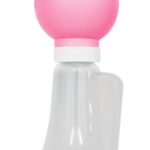
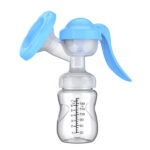
A manual breast pump (or hand pump breast milk extractor) requires you to squeeze a handle repeatedly to create a vacuum.
Best for: Occasional use, travel, or keeping in your handbag as a backup.
Pros: Very quiet, lightweight, inexpensive, and requires no electricity.
Cons: Can be tiring for your hands. It takes longer to express milk compared to electric options.
Popular options: Philips Avent manual breast pump, Medela manual breast pump, and the highly affordable Farlin manual breast pump.
Electric Breast Pumps (Single and Double)
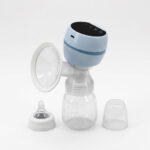
An electric breast pump uses a motorized unit to create suction. A double breast pump extracts milk from both breasts simultaneously, cutting your pumping time in half.
Best for: Exclusive pumpers, working mothers, and those needing to build a large milk stash.
Pros: Fast, efficient, and features adjustable suction and massage modes.
Cons: Requires a power source (though many are now rechargeable), can be noisy, and is more expensive.
Popular options: Avent double electric breast pump, Medela double electric breast pump, and Motif Luna breast pump.
Wearable / Hands-Free Breast Pumps
A wearable breast pump is a compact, battery-operated device that fits entirely inside a breast pump bra. There are no external tubes or dangling bottles.
Best for: Multi-tasking mothers who need to pump while working, commuting, or doing chores.
Pros: Ultimate freedom of movement, discreet, and highly portable.
Cons: Can be expensive, and the motors are sometimes slightly less powerful than traditional hospital-grade pumps.
Popular options: Elvie breast pump and various best hands free breast pump models available online.
Silicone Breast Pumps (Milk Catchers)
A silicone breast pump is a single piece of food-grade silicone that attaches to your breast using natural vacuum suction. You attach it to one breast while your baby nurses on the other to catch the let-down milk that would otherwise leak into a breast pad.
Best for: Catching let-down, building a passive milk stash.
Pros: Silent, zero effort, easy to clean.
Popular options: The original Haakaa breast pump (and general Haakaa silicone breast pump variations) or a simple natural breast pump.
3. How to Choose the Best Breast Pump
Searching for the best breast pump requires assessing your lifestyle, anatomy, and milk supply needs.
Best Breast Pump for Working Moms
If you are returning to the office, efficiency is your top priority. You need an auto breast pump that can empty your breasts quickly during short breaks. A double breast pump is highly recommended. The Medela electric breast pump (like the Pump in Style) or the Philips Avent electric breast pump are industry standards for durability.
Best Breast Pump for Low Milk Supply
If you are struggling with low supply, you need a “hospital-grade” pump. These pumps have stronger, more specialized motors designed to stimulate prolactin production. Look into the Medela Symphony breast pump (often available for rent in hospitals) or a high-powered Medela swing breast pump.
Best Breast Pump for Larger Breast
Mothers with larger breasts often struggle with standard breast pump cups (flanges). The key is not necessarily the pump brand, but the breast pump sizing. You must find a brand that offers multiple breast pump flange sizes (e.g., 27mm, 30mm, or 36mm). Lansinoh breast pump and Medela breast pump lines are excellent because they offer a wide variety of replacement breast pump parts and flange sizes.
4. Top Breast Pump Brands Available Globally and in Bangladesh
Whether you are looking for a breast pump in Bangladesh, a breast pump Australia, or a breast pump Malaysia, certain global brands dominate the market due to their medical-grade research and reliability. Here is a breakdown of the good breast pump brands:
Philips Avent: A household name. The Philips Avent breast pump line is famous for its soft, petal-shaped silicone massage cushions that mimic baby sucking.
Medela: The #1 choice of hospitals worldwide. Whether it’s the Medela breast pump price you are researching or their clinical efficiency, Medela is unmatched for exclusive pumpers.
Farlin: Highly popular in the Asian market for its affordability. If you are searching for a Farlin breast pump, they offer excellent manual and basic electric options that are incredibly durable.
Haakaa: The New Zealand brand that revolutionized the hand breast pump industry with their 100% Haakaa manual breast pump made of silicone.
Pigeon: A Japanese brand known for gentle suction and excellent compatibility with their wide-neck feeding bottles.
Other Notable Brands: Chicco breast pump, Mothercare breast pump, Ameda breast pump, and Evenflo breast pump all offer reliable manual and electric models.
5. Breast Pump Price in Bangladesh 2026
In Bangladesh, breast pump price can vary widely, ranging from 200 to 20,000 Taka. The cost depends on several factors, including the brand, size, and model of the pump. Whether you prefer a basic manual pump or a more advanced electric option, Go Well offers a variety of breast pumps to meet different needs and budgets.
Manual Breast Pump Price in BD
In Bangladesh, the prices for manual breast pump can vary significantly, typically ranging from 150 to 4,000 Taka. Factors that influence the price include the brand, quality, and features of the pump. While more affordable options are available for those on a budget, higher-priced models may offer better durability and additional functionalities.
| Brand / Model | Price (BDT) | Best For |
| Non-Brand / Manual Breast Pump 120ml | 150 ৳ – 500 ৳ | Budget let-down catching |
| Dr Trust USA Manual Breast pump | 800 ৳ | Everyday budget manual use |
| Pigeon Manual Breast Pump | 2,100 ৳ – 3,000 ৳ | Gentle suction, ergonomic |
| Philips Avent manual breast pump | 3,300 ৳ – 4,500 ৳ | Ultimate comfort and efficiency |
| Lansinoh manual breast pump | 3,500 ৳ – 4,000 ৳ | Easy cleaning, great flanges |
Electric Breast Milk Pump Price in BD
In Bangladesh, electric breast milk pump are price between 1,000 and 10,000 Taka. The cost can vary based on several factors, including the brand, features, and overall quality of the pump. Cheaper models may offer basic functionality, while more expensive options often come with advanced features such as multiple suction settings, portability, and ease of use. When selecting an electric breast pump, users need to consider their specific needs to find the best fit for their breastfeeding journey
| Brand / Model | Price (BDT) | Best For |
| Electric Breast Pump in Bangladesh | 1,500 ৳ – 3,000 ৳ | Occasional pumping |
| Rovco Portable Electric Pump | 3,500 ৳ – 4,500 ৳ | Budget portable electric |
| Farlin electric breast pump price in Bangladesh | 6,500 ৳ – 8,800 ৳ | Reliable daily pumping |
| Breast Pump Rechargable BPA AMS26 | 2, 500 ৳ | Budget double pumping |
| Philips Avent electric breast pump (Single) | 12,000 ৳ – 14,000 ৳ | Premium comfort, quiet motor |
| Pigeon Go Mini Electric | 14,000 ৳ – 18,500 ৳ | Highly portable for travel |
| Medela electric breast pump (Solo) | 24,000 ৳ – 26,000 ৳ | Hospital-grade motor |
| Medela Swing Maxi (Double) | 35,000 ৳ – 38,000 ৳ | Exclusive pumping, high volume. |
6. How to Use a Breast Pump: Step-by-Step
Many new mothers wonder how to breast pump effectively. Pumping shouldn’t hurt. If you are asking, “Is breast pump painful?” the answer is no—if it hurts, you either have the wrong breast pump sizing for your flange, or your suction is too high.
Here is how to pump breast milk safely and efficiently.
1.Sanitize and Prepare:Wash hands thoroughly.
Before touching your breasts or the breast pump parts, wash your hands with soap and water. Ensure all pump parts (bottles, valves, flanges) have been sterilized if this is their first use of the day.
2.Check Your Flange Fit:Crucial for preventing pain.
Center the breast pump flange over your nipple. Your nipple should move freely back and forth inside the tunnel without rubbing against the sides. If the tunnel pulls in too much of your dark areola, the flange is too big. If your nipple rubs the sides, it’s too small.
3.Trigger the Let-Down Reflex:
Massage your breasts gently for a minute. If you are using a how to use electric breast pump guide, turn the machine on to the “Stimulation” or “Massage” mode. This mode uses fast, light suction to mimic a baby’s initial fluttering sucks.
4.Switch to Expression Mode:
Once your milk starts flowing (usually after 1-3 minutes), switch the pump to “Expression” mode. This mode uses slower, deeper pulls. Adjust the suction to the highest comfortable setting.
5.Pump Until Empty:
How long should I pump each breast? Generally, you should pump for 15 to 20 minutes per session. Stop when the milk flow slows to a trickle or stops completely, and your breasts feel soft.
6.Clean the Parts Immediately:
Take apart the breast pump cups, valves, and connectors. Rinse them immediately in cool water to remove milk protein, then wash with warm soapy water and let them air dry on a clean towel.
Essential Breast Pumping Tips
Look at photos of your baby: Oxytocin triggers milk let-down. Looking at a breast pump picture or a video of your baby crying can actually help your milk flow faster.
Hands-on pumping: Massage and compress your breast while the pump is running to empty the milk ducts fully.
Hydrate: You cannot pump milk if you are dehydrated. Drink a large glass of water every time you sit down to pump.
7. How to Store Breast Milk After Pumping
Knowing how to store breast milk after pumping is just as important as the pumping itself. Breast milk is liquid gold, and proper storage ensures its nutritional integrity.
| Storage Location | Maximum Duration | Temperature |
| Room Temperature | Up to 4 hours | Up to 77°F (25°C) |
| Insulated Cooler Bag | Up to 24 hours | With ice packs |
| Refrigerator | Up to 4 days | 40°F (4°C) or colder |
| Deep Freezer | 6 to 12 months | 0°F (-18°C) or colder |
Safety Note: Is a breast pump safe? Yes, provided you keep the parts clean. Never mix freshly pumped warm milk with already cooled milk in the fridge. Cool the fresh milk first, then combine them. Always store milk in dedicated breast milk storage bags or sterilized breast pump bottles, never in standard household plastic bags.
8. Clarifying the Confusion: Breast Milk Pumps vs. Enhancement Pumps
It is important to address a common search engine confusion. Many users search for terms like breast enhancement pump, big breast pump, breast enlargement pump, or breast pump for breast enlargement.
To be absolutely clear:
Lactation Pumps: The devices discussed in this article (Philips Avent, Medela, etc.) are strictly medical devices designed to extract milk from lactating women. They do not permanently enlarge breast tissue.
Vacuum Enhancement Devices: There are commercial vacuum devices (sometimes marketed as a vacuum breast pump or breast pump hot therapy) claiming to enlarge breasts by drawing blood flow to the tissue. Scientifically, these provide only temporary swelling and carry a high risk of tissue damage, bruising, and ruptured blood vessels if used improperly. They have no medical backing for permanent enlargement.
Always consult a healthcare professional before using any vacuum device on your body that is not intended for lactation.
9. Frequently Asked Questions (FAQ)
Q: How to select a breast pump that fits my lifestyle?
A: If you pump 1-2 times a week, buy a manual breast pump or a silicone catcher. If you pump daily for work, invest in a double breast pump (electric). If you have a highly active job, buy a wearable breast pump.
Q: Can I find a good electric breast pump in Bangladesh under 5000 BDT?
A: Yes, brands like Rovco, Kemei, and various generic imports offer electric pumps between 2,500 ৳ and 4,500 ৳. However, for heavy, daily use, investing in a mid-range model from Farlin or Philips Avent is highly recommended for motor longevity.
Q: What is a flange and why does breast pump sizing matter?
A: The flange (or breast shield) is the plastic funnel that goes over your nipple. If it is too small, your nipple will chafe and blister. If it is too large, it will suck in your areola, causing swelling and poor milk extraction. Most standard pumps come with a 24mm flange, but you may need to order a 21mm or a 27mm part separately.
Q: Do I need to buy specific breast pump bottles?
A: Most pumps are designed to screw directly onto their own brand of bottles (e.g., Medela pumps fit standard narrow-neck bottles, while Avent pumps fit Avent wide-neck bottles). You can also pump directly into storage bags using special adapters.
Q: Are manual pumps painful to use?
A: No. A best manual breast pump allows you to control the exact speed and suction strength with your hand, which many mothers actually find more comfortable than an electric motor.
Q: Should I read breast pump reviews before buying?
A: Absolutely. Breast pump reviews from other mothers are invaluable, especially regarding motor noise (important if you pump at work or near a sleeping baby) and how easy the breast pump parts are to clean.
 No products in the cart.
 • Material: Polypropylene (PP), Silicone Rubber