


-
-34%
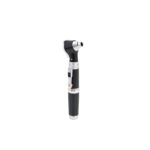
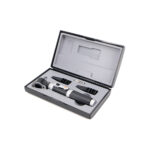
- HS-OT10G Portable Otoscope
- High-Intensity LED Illumination
- Direct Illumination Design
- 3X Magnification Viewing Lens
- Scratch-Resistant Viewing Lens
- Multiple Replaceable Ear Speculums
- 2.4mm, 3mm, 4mm & 5mm Tip Sizes
- Ergonomic Handle
- Integrated On/Off Switch
Otoscope HS-OT10G
Original price was: ৳ 2,890.00.৳ 2,601.00Current price is: ৳ 2,601.00.Original price was: ৳ 2,890.00.৳ 2,601.00Current price is: ৳ 2,601.00. Add to cart -
-34%
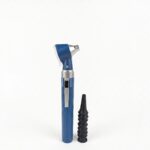
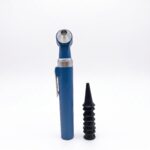
- HS-OT10J Portable Otoscope
- High-Intensity LED Illumination
- Direct Illumination Design
- 3X Magnification Viewing Lens
- Scratch-Resistant Viewing Lens
- Multiple Replaceable Ear Speculums
- 2.4mm, 3mm, 4mm & 5mm Tip Sizes
- Ergonomic Handle
- Integrated On/Off Switch
Otoscope HS-OT10J
Original price was: ৳ 2,590.00.৳ 2,331.00Current price is: ৳ 2,331.00.Original price was: ৳ 2,590.00.৳ 2,331.00Current price is: ৳ 2,331.00. Add to cart -
-34%
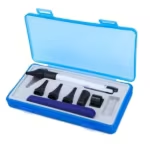
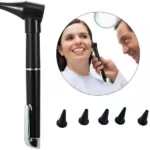 Ensure optimal ear health for your family or patients with this Otoscope Pen light Ear Care Tool Ear Cleaner Diagnostic. Designed for both professional and at-home use, this compact ear care tool features a bright, focused beam for clear ear canal examinations. The kit includes multiple interchangeable ear specula and a durable blue carrying case, making it the perfect, travel-friendly solution for reliable ear, nose, and throat check-ups on the go.
Otoscope Pen light Ear Care Tool Ear Cleaner Diagnostic
Original price was: ৳ 490.00.৳ 441.00Current price is: ৳ 441.00.Original price was: ৳ 490.00.৳ 441.00Current price is: ৳ 441.00. Add to cart -
-34%
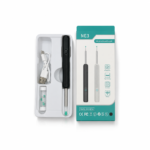
- Product Name: Wireless Visual Earpick
- Model: NE3
- Product Type: Camera Ear Cleaning Tool
- Camera: Built-In Mini Camera
- Connectivity: Wireless
- Illumination: LED
- Display: Compatible Smartphone / Mobile Device
- Design: Handheld and Portable
- Application: Personal Ear Care
- Power: Rechargeable / Battery Powered, depending on version
Wireless Visual Earpick NE3
Original price was: ৳ 1,200.00.৳ 1,080.00Current price is: ৳ 1,080.00.Original price was: ৳ 1,200.00.৳ 1,080.00Current price is: ৳ 1,080.00. Add to cart
Otoscope – Advanced Diagnostic Ear Examination Tools in Bangladesh
Welcome to the Go Well official category page for Otoscope. Whether you are an ENT specialist, a general practitioner, a medical student, or a parent looking to monitor your child’s ear health at home, having a reliable and precise diagnostic tool is essential. An otoscope is one of the most critical medical instruments in modern healthcare, providing a direct, magnified, and illuminated window into the ear canal and tympanic membrane (eardrum).
At Go Well, we offer a curated selection of premium otoscopes—from affordable penlight ear care tools to advanced HD video and digital otoscopes—guaranteeing the best otoscope price in Bangladesh. Browse our collection to find the perfect medical instrument to suit your clinical or home health care needs.
What is an Otoscope and How Does It Work?
An otoscope (sometimes referred to as an auriscope) is a handheld medical device utilized by healthcare professionals to visually examine the external auditory canal and the eardrum.
How it works: The device consists of three main components:
-
The Handle: Houses the power source (usually AA, C-cell batteries, or rechargeable lithium-ion batteries). It is ergonomically designed for a firm, anti-slip grip during patient examinations.
-
The Head: Contains the light source (traditional Halogen/Xenon bulbs or advanced LED lights) and a magnifying lens (typically offering 3x to 4x magnification).
-
The Speculum: A funnel-shaped, hygienic attachment placed at the tip of the otoscope. It safely guides the instrument into the ear canal, holding back debris and hair to ensure a clear line of sight. Specula come in various sizes (e.g., 2.4mm for infants, 3.2mm for children, and 4mm to 5mm for adults).
By combining bright illumination with optical magnification, the otoscope machine allows doctors to identify inflammation, infections, fluid buildup, earwax impactions, or foreign objects safely and accurately.
Types of Otoscope Available at Go Well
Understanding the different types of otoscopes is vital for making the right purchasing decision. We stock various models tailored to different user requirements:
1. Pocket Otoscope (Penlight Otoscope)
Compact, lightweight, and highly portable, pocket otoscopes are designed to fit seamlessly into a doctor’s coat pocket. These are ideal for medical students, nurses, EMTs, and home health providers. Products like the Otoscope Pen light Ear Care Tool are budget-friendly (starting around ৳ 490) while still providing sufficient illumination for basic ear checks.
2. Diagnostic Otoscope
These are the standard, heavy-duty instruments found in most hospitals and clinics. They feature sturdy construction (often chrome-plated brass), advanced fiber-optic illumination, and scratch-resistant glass lenses for superior diagnostic accuracy. They are built for high-volume, daily clinical use.
3. Digital and Video Otoscope
The future of ear examinations lies in digital technology. A video otoscope or digital otoscope features a built-in micro-camera that displays a high-definition (HD) image of the ear canal on an external screen, smartphone, or tablet via Wi-Fi or USB.
-
Benefits: These devices (like our HD Video Otoscope priced at ৳ 800) are excellent for patient education, allowing the patient to see what the doctor sees. They also allow clinicians to capture, save, and share images or videos for medical records or telehealth consultations.
Key Features to Consider When Buying an Otoscope
When browsing for the best otoscope in Bangladesh, consider the following technical specifications to ensure you get a high-quality medical instrument:
Illumination: LED vs. Halogen
-
LED Illumination: LED lights provide a bright, white, color-corrected light that reveals true tissue colors. They run cooler, use significantly less battery power, and the bulbs rarely need replacing, making an LED otoscope highly cost-effective over time.
-
Halogen/Xenon Illumination: Traditional bulbs emit a slightly warmer, yellowish light. While highly effective and widely used in classic diagnostic sets, the bulbs have a shorter lifespan and require occasional replacement.
Magnification Power
A standard medical otoscope should offer between 3X to 4X magnification. Ensure the lens is made of optical-quality, scratch-resistant glass rather than cheap plastic, as this guarantees a distortion-free view of the tympanic membrane.
Speculum Sizes and Compatibility
An otoscope is only as good as its speculum fit. Ensure the model you purchase includes interchangeable specula. Using the correct size is crucial for patient comfort and maximum visibility.
-
Adults: 4.0mm to 5.0mm
-
Children: 3.0mm to 4.0mm
-
Infants: 2.0mm to 2.5mm
Portability and Power Source
Consider where you will use the device. If you are conducting house visits or medical camps across Bangladesh, a battery-operated, cordless pocket otoscope is ideal. For stationary clinic use, heavier diagnostic handles with rechargeable bases might be preferred.
Why You Need an Otoscope: Medical Applications
An otoscope ear examination is a fundamental part of physical health check-ups. Here is what medical professionals look for when using this diagnostic tool:
-
Otitis Media (Middle Ear Infection): One of the most common reasons for pediatric visits. The otoscope helps identify a bulging, red, or cloudy eardrum, indicating fluid or infection behind the tympanic membrane.
-
Otitis Externa (Swimmer’s Ear): Inflammation, redness, or swelling of the outer ear canal.
-
Cerumen Impaction: Safely identifying severe earwax buildup that may be causing temporary hearing loss or discomfort.
-
Foreign Body Detection: Crucial for pediatricians, as children frequently insert small objects (beads, food, toys) into their ears.
-
Tympanic Membrane Perforation: Detecting tears or holes in the eardrum caused by trauma, loud noises, or severe infections.
How to Perform an Ear Examination (A Step-by-Step Guide)
For medical students and home-users, following the correct otoscopy technique ensures safety and accuracy:
-
Preparation: Wash your hands and attach a clean, properly sized speculum to the otoscope head.
-
Positioning: Ask the patient to sit still and tilt their head slightly away from you.
-
Straightening the Ear Canal:
-
For Adults: Gently grasp the pinna (outer ear) and pull it up and back.
-
For Children (under 3 years): Pull the pinna down and back.
-
-
Insertion: Hold the otoscope like a pen. Gently insert the speculum tip into the ear canal, being careful not to push too deeply to avoid pain or injury.
-
Observation: Look through the viewing window. Slowly angle the instrument to examine the ear canal walls and the pearly-gray eardrum.
-
Hygiene: After the examination, remove and dispose of the speculum (or sterilize it if it is reusable). Clean the otoscope handle with medical-grade alcohol pads.
Otoscope Price in Bangladesh: What to Expect
-
Entry-Level / Home Use: Simple penlight otoscope range from ৳ 400 to ৳ 600. These are great for basic ear hygiene checks.
-
Digital / Video Otoscopes: Smart Wi-Fi or HD digital otoscope range from ৳ 800 to ৳ 1,500. These offer incredible value for tech-savvy users wanting to connect the device to their smartphones.
-
Professional Diagnostic Otoscope: High-end, medical-grade otoscopes (like the HS-OT10G or similar fiber-optic models) range from ৳ 2,500 to ৳ 6,000+. These are tailored for doctors requiring robust durability and precision optics.
Why Buy Your Medical Instruments from Go Well?
When searching for an “otoscope machine” or a “digital otoscope price in Bangladesh,” Go Well is your trusted partner.
-
Nationwide Delivery: Fast, secure, and reliable doorstep delivery anywhere in Bangladesh.
-
100% Genuine Products: We source directly from reputable medical equipment manufacturers.
-
Secure Payment Options: Pay comfortably via Mobile Banking (bKash, Nagad), Card, or Cash on Delivery (COD).
-
Dedicated Customer Support: Our team is available to assist you with technical queries and product recommendations.
-
Flexible Return Policy: Customer-friendly return and refund policies for peace of mind.
Frequently Asked Questions
1. Is it safe to use an otoscope at home?
Yes, using an otoscope at home is safe if used carefully. Home users should primarily use it to check for earwax buildup or the presence of foreign objects. However, you should never insert the otoscope deeply into the ear canal, and you should always consult a certified doctor for an official diagnosis or treatment of ear pain.
2. What is the difference between a traditional otoscope and a digital video otoscope?
A traditional otoscope relies on the user looking directly through a magnifying lens. A digital video otoscope uses a tiny camera to stream live, high-definition video of the ear canal to a smartphone, tablet, or monitor, making it easier to view, record, and share the examination with others.
3. How do I clean and maintain my otoscope?
To maintain your device, wipe the handle and the lens body with a soft cloth and a medical-grade disinfectant wipe (like a 70% isopropyl alcohol pad). Never submerge the device in water. Always use a new disposable speculum for each patient, or thoroughly sterilize reusable metal/plastic specula according to the manufacturer’s guidelines.
4. Can an otoscope be used to check the nose and throat?
Yes. While specifically designed for ears, clinicians often use an otoscope (sometimes with the speculum removed or by using a specific nasal attachment) to illuminate and examine the nasal passages and the upper throat.
5. How often should the batteries or bulbs be replaced?
For LED otoscopes, the bulb can last for thousands of hours and rarely needs replacement. For Halogen otoscopes, bulbs may need replacing every few months depending on clinical usage. Battery life depends on the power source; it is recommended to remove standard batteries if the device will not be used for an extended period to prevent acid leakage.
 No products in the cart.