


-
-34%
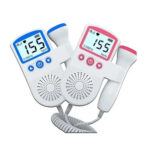
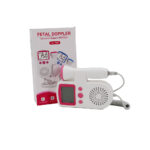
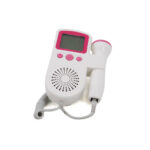
- Product Name: Fetal Doppler
- Model: JSL-T501
- Product Type: Portable Fetal Heart Rate Monitor
- Technology: Doppler Ultrasound
- Ultrasound Frequency: Approximately 2.5 MHz
- Fetal Heart Rate Range: Approximately 50–240 BPM
- Display: Digital LCD / TFT Display depending on version
- Audio Output: Built-In Speaker
- Headphone Output: 3.5mm Jack
- Probe: Wired Handheld Doppler Probe
- Power: 2 × AA Batteries
- Dimensions: Approximately 140 × 68 × 28 mm
- Weight: Approximately 150g including probe, excluding batteries
Fetal Doppler JSL-T501
Original price was: ৳ 1,390.00.৳ 1,251.00Current price is: ৳ 1,251.00.Original price was: ৳ 1,390.00.৳ 1,251.00Current price is: ৳ 1,251.00. Add to cart -
-34%
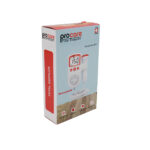
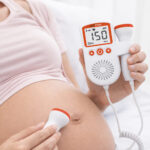
- Brand: Procare
- Product Name: Rechargeable Fetal Doppler
- Model: 007+
- Product Type: Handheld Fetal Doppler
- Technology: Doppler Ultrasound
- Function: Fetal Heart Sound Detection and Monitoring
- Power: Rechargeable
- Design: Handheld and Portable
- Application: Prenatal / Fetal Heart Monitoring
- Suitable For: Professional Healthcare Use
Procare Rechargeable Fetal Doppler 007+
Original price was: ৳ 1,450.00.৳ 1,305.00Current price is: ৳ 1,305.00.Original price was: ৳ 1,450.00.৳ 1,305.00Current price is: ৳ 1,305.00. Add to cart -
-34%
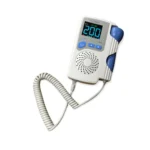
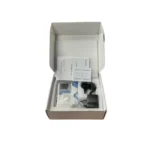
- Brand: Vcomin
- Model: FD-210C
- Product Type: Fetal Doppler
- Technology: Ultrasound Detection Technology
- Display: LCD Screen
- Audio Output: Built-In Speaker and Headphone Jack
- Power Source: Battery Operated
- Design: Portable Handheld Device
- Usage: Fetal Heartbeat Monitoring During Pregnancy
Vcomin Fetal Doppler FD-210C
Original price was: ৳ 4,100.00.৳ 3,690.00Current price is: ৳ 3,690.00.Original price was: ৳ 4,100.00.৳ 3,690.00Current price is: ৳ 3,690.00. Add to cart
Buy Authentic Fetal Doppler Machines in Bangladesh at Go Well
Welcome to the ultimate destination for premium maternity and medical devices in Bangladesh. At Go Well, we understand that pregnancy is a journey filled with excitement, anticipation, and a natural instinct to ensure your baby’s well-being. A Fetal Doppler (also known as a baby heartbeat monitor) is a remarkable, non-invasive medical device that allows expectant parents and healthcare professionals to listen to the rhythmic, reassuring sound of a baby’s heartbeat from the comfort of home or inside a clinical setting.
Whether you are an expecting mother looking to bond with your unborn child, or a medical practitioner requiring an accurate diagnostic tool for your clinic, our curated selection of fetal dopplers offers unparalleled accuracy, safety, and reliability. Explore top global and local brands, compare features, and find the perfect baby heartbeat monitor that fits your needs and budget.
Latest Fetal Doppler Price List in Bangladesh (2026)
To help you make an informed purchasing decision, we maintain a transparent and up-to-date pricing structure for our top-selling baby heart rate monitors. Below is a quick comparison table of the best fetal dopplers available at Go Well:
| Product Model | Key Features | Best For | Estimated Price (BDT) |
| Fetal Doppler JSL-T501 | LCD Display, Built-in Speaker, Battery Operated | Budget-friendly home use | ৳ 1,390 |
| Procare Rechargeable Fetal Doppler 007+ | Rechargeable Battery, Clear Audio, Ergonomic | Eco-friendly daily monitoring | ৳ 1,450 |
| Vcomin Fetal Doppler FD-210C | High-Sensitivity Probe, Backlit Screen, Medical Grade | Clinical & advanced home use | ৳ 4,100 |
| Jumper JPD-100S / 100B (Standard) | Radiation-Free, 3.0 MHz Probe, Auto Power-Off | Early pregnancy detection | ৳ 4,150 – ৳ 7,500 |
What is a Fetal Doppler?
A Fetal Doppler is a handheld, portable ultrasound machine used primarily in obstetrics to monitor and amplify a fetal heartbeat. Originally developed for hospital use by doctors and midwives, technological advancements have made these devices accessible, affordable, and safe for home use.
The device typically consists of a main control unit featuring an LCD digital display and a built-in speaker, connected to a handheld probe (transducer). By gliding the probe over a pregnant woman’s abdomen with the help of ultrasound gel, the device captures the sound of the baby’s heart, providing a real-time Fetal Heart Rate (FHR) readout in Beats Per Minute (BPM).
How Does a Baby Heartbeat Monitor Work?
Understanding the science behind the device can help you use it more effectively. Fetal dopplers operate on the Doppler Effect—a principle of physics involving sound waves.
-
Emission: The transducer probe emits high-frequency, low-power ultrasound waves into the mother’s abdomen. These sound waves are entirely painless and fall at a frequency far above human hearing.
-
Reflection: As these sound waves travel through the amniotic fluid and tissues, they bounce off moving objects—specifically, the beating heart valves and circulating blood cells of the fetus.
-
Translation: The returning sound waves shift in frequency due to the movement (the Doppler effect). The device captures these returning waves, processes them through an internal microchip, and translates them into an audible “thump-thump” sound that you can hear through the built-in speaker or connected headphones.
Types of Fetal Dopplers Available in the Market
When shopping for a fetal doppler in Bangladesh, you will generally encounter two main categories, each tailored to different user requirements.
1. Handheld / At-Home Fetal Dopplers
Designed specifically for expectant parents, these models are compact, lightweight, and incredibly user-friendly. Devices like the Fetal Doppler JSL-T501 and Procare 007+ fall into this category. They prioritize ease of use, featuring simple button layouts, clear audio outputs, and standard AA battery or USB rechargeable power sources. They are perfect for weekly bonding sessions and providing peace of mind between doctor visits.
2. Clinic-Grade / Medical Dopplers
Clinic-grade dopplers, such as the Vcomin Fetal Doppler FD-210C, are engineered for healthcare professionals, midwives, and clinics. They boast higher sensitivity probes (often interchangeable), robust build qualities, advanced LCD screens that display FHR waveforms, and medical-grade certifications. While slightly more expensive, they offer superior acoustic clarity and can often detect heartbeats slightly earlier in the gestation period.
Key Features to Consider When Buying a Fetal Doppler
Choosing the right device requires understanding a few technical specifications. Here is a comprehensive buying guide to help you select the best fetal doppler from Go Well:
1. Probe Frequency (MHz)
The frequency of the ultrasound probe dictates how the sound waves penetrate tissue. This is arguably the most critical feature to look at:
-
2.0 MHz Probes: This is the industry standard for obstetrics. A 2.0 MHz frequency provides deeper tissue penetration, making it ideal for the second and third trimesters, or for mothers with a higher BMI.
-
3.0 MHz Probes: This frequency is highly sensitive and is generally better for early pregnancy (around 10 to 12 weeks). It detects signals closer to the surface of the abdomen, allowing parents to hear the heartbeat sooner.
2. LCD Display and Real-Time Readout
While basic models only provide audio, modern dopplers feature backlit LCD screens. These screens display the exact Fetal Heart Rate (FHR) in BPM, the battery life, and the current operating mode. A digital display takes the guesswork out of counting the beats yourself.
3. Audio Output Options
Look for a device with a high-quality built-in speaker and an adjustable volume dial. Additionally, an audio output jack (3.5mm headphone jack) is highly recommended. Headphones block out ambient room noise, making it much easier to isolate the faint sound of a baby’s heartbeat in the early weeks. Some devices even allow you to connect an audio cable to a computer or smartphone to record the heartbeat as a digital keepsake.
4. Power Source: Rechargeable vs. Disposable Batteries
Consider your usage frequency. If you plan to use the device regularly, a rechargeable model (like the Procare 007+) is cost-effective and eco-friendly. For occasional use, a standard AA battery-operated device is perfectly sufficient and offers great portability without worrying about charger cables.
5. Safety and Certifications
Ensure the product features a “Zero-emission” or low-ultrasound dosage rating. Authentic devices are designed to emit ultrasound doses far below national and international safety thresholds, ensuring 100% safety for both the mother and the fetus.
Step-by-Step Guide: How to Use a Fetal Doppler at Home
Using a fetal doppler is a skill that requires a bit of patience and practice. Follow these instructions for the best results:
Step 1: Gather Your Supplies
You will need your fully charged fetal doppler, a generous amount of medical-grade ultrasound gel (or an alternative like aloe vera gel), and a towel for cleanup.
Step 2: Find a Quiet, Comfortable Space
Eliminate background noise. Turn off the TV and fans. Lie down on a comfortable surface, such as a bed or recliner, in a semi-reclined position. This posture helps push your pelvic organs forward, making the uterus more accessible to the sound waves.
Step 3: Apply the Ultrasound Gel
Never use a doppler on dry skin. Apply a liberal dollop of ultrasound gel to your lower abdomen. The gel acts as a crucial conductive medium; it eliminates the air barrier between your skin and the probe, preventing static and allowing the sound waves to travel smoothly.
Step 4: Turn on and Start Low
Switch on the device and plug in your headphones if you are using them. Place the probe flat against the gel-covered skin, starting very low on the abdomen—just above the pubic bone (especially if you are in your first trimester).
Step 5: Angle and Glide Slowly
Do not press down hard. Slowly glide the probe in tiny, millimeter-by-millimeter movements. Angle the probe downward into the pelvis. Patience is key. The baby is very small early in pregnancy and can easily hide behind the placenta or move around.
Step 6: Interpret the Sounds
You will hear various noises inside your body.
-
The Maternal Heartbeat: This will sound like a slow, steady “swish-swish” at about 60 to 100 beats per minute.
-
The Placenta: This sounds like wind blowing through trees or a rapid rushing of fluid.
-
The Fetal Heartbeat: This is what you are looking for. It sounds remarkably like a galloping horse (“thump-thump-thump”) and is much faster than your own pulse, typically between 120 and 160 BPM.
Step 7: Clean and Store
Once you are finished, wipe the probe clean with a soft, dry tissue or an alcohol-free antibacterial wipe. Wipe the remaining gel off your stomach, turn off the device, and store it in a dry place.
Interpreting Fetal Heart Sounds: What is Normal?
It is natural to obsess over the numbers on the screen, but understanding normal biological fluctuations will help ease your mind.
-
Normal Fetal Heart Rate (FHR): A healthy baby’s resting heart rate typically ranges between 120 and 160 Beats Per Minute (BPM).
-
Early Pregnancy Rates: Around 6 to 9 weeks, the heartbeat might be slower (100-120 BPM). By week 10 to 12, it peaks rapidly, sometimes hitting 170 BPM, before settling into the standard 120-160 BPM range for the remainder of the pregnancy.
-
Fluctuations are Normal: Just like an adult’s heart rate increases with physical activity, your baby’s heart rate will fluctuate. If the baby is kicking, rolling, or stretching, the heart rate will naturally spike. If the baby is sleeping, it will rest at the lower end of the spectrum.
Essential Safety Guidelines for At-Home Doppler Use
While fetal dopplers are non-invasive and celebrated for their safety, the medical community, including the FDA and WHO, provides strict guidelines to ensure they are used responsibly.
-
Do Not Replace Prenatal Care: A fetal doppler is a tool for bonding and reassurance; it is not a diagnostic medical device for home users. It should never replace regular checkups, professional ultrasound scans, or consultations with your gynecologist.
-
The “False Reassurance” Warning: If you are in your third trimester and notice a sudden decrease in fetal movement, do not rely on a doppler to assure yourself the baby is fine. Detecting a heartbeat does not rule out fetal distress. Always go to the hospital if you experience reduced fetal movement.
-
Use Sparingly: While the ultrasound dose is incredibly low and considered safe, it is best practice to follow the principle of ALARA (As Low As Reasonably Achievable). Limit your monitoring sessions to a few minutes at a time, every other day, rather than prolonged, hours-long daily sessions.
-
Manage Your Anxiety: In early pregnancy (before 14 weeks), it is very common to not find the heartbeat simply because the baby is too small, in an awkward position, or obscured by maternal tissue. If you cannot find the heartbeat, put the device away, relax, and try again a few days later to avoid unnecessary stress.
Why Buy Fetal Dopplers from Go Well?
At Go Well, your health and peace of mind are our top priorities. Here is why thousands of families and medical clinics across Bangladesh trust us for their healthcare devices:
-
100% Authentic Products: We source directly from reputed global manufacturers. Brands like Vcomin, Procare, and Jumper are guaranteed genuine, ensuring accurate readings and long-term durability.
-
Nationwide Fast Delivery: Whether you are in Dhaka, Chattogram, Sylhet, or Rajshahi, our logistics partners (Pathao, CarryBee, Daraz integration) ensure your medical device reaches your doorstep swiftly and securely.
-
Secure Payment Options: Enjoy hassle-free checkout with popular Bangladeshi payment gateways, including bKash, SSLCOMMERZ, and Cash on Delivery (COD) options.
-
Expert Customer Support: Have questions about which doppler to buy or how to operate it? Our dedicated online support team is ready to assist you ASAP.
-
Customer-Friendly Return Policy: We stand by the quality of our medical devices. If you receive a defective or damaged product, our straightforward refund and return policy guarantees your investment is protected.
Frequently Asked Questions
To provide instant answers to your most pressing questions, we’ve compiled this expert FAQ section.
Q1: At how many weeks can I start using a fetal doppler at home?
Most high-quality handheld dopplers (using a 3.0 MHz probe) can detect a heartbeat as early as 10 to 12 weeks of gestation. However, for many women, it is easier to consistently find the heartbeat between the 14th and 16th week, as the uterus grows out of the pelvic cavity.
Q2: Do I absolutely need to use ultrasound gel?
Yes. Ultrasound waves do not travel well through the air. The gel eliminates the air between the probe and your skin, reducing friction and static noise. While medical ultrasound gel is highly recommended, in a pinch, you can use water-based lubricants, aloe vera gel, or bio-oil as temporary alternatives.
Q3: Is it harmful to use a fetal doppler every day?
While fetal dopplers emit extremely low-level ultrasound waves that are considered harmless, daily, prolonged use is discouraged by medical professionals. It is best to limit usage to short sessions (3-5 minutes) a few times a week to prevent maternal anxiety and adhere to standard safety protocols.
Q4: Why does the LCD screen show a heart rate of 80 BPM?
If the screen is displaying a heart rate between 60 and 100 BPM, you are likely picking up your own maternal pulse, usually from the descending aorta or placental blood flow. Angle the probe away from your own pulse points and look for the faster, 120-160 BPM rhythm of the baby.
Q5: Can a fetal doppler tell me the gender of my baby?
No. An old wives’ tale suggests that a heart rate above 140 BPM means it’s a girl, and below 140 BPM means it’s a boy. However, there is no scientific medical evidence to support this. A baby’s heart rate fluctuates based on their activity level, not their gender.
Q6: What is the difference between a Fetal Doppler and an Ultrasound Machine?
A fetal doppler uses sound waves strictly to detect and amplify audio (the sound of the heartbeat). A standard clinical ultrasound machine uses much more complex technology to translate those sound waves into visual images (a sonogram) of the fetus.
Q7: Can a higher BMI affect the ability to hear the heartbeat?
Yes. Additional abdominal adipose (fat) tissue can make it more challenging for the ultrasound waves to penetrate and return a clear signal, especially in early pregnancy. Women with a higher BMI may have better success waiting until weeks 16-20 to use a home doppler or opting for a device with a 2.0 MHz probe designed for deeper penetration.
Q8: What is the price of a Fetal Doppler in Bangladesh?
The price of a Fetal Doppler in Bangladesh typically ranges from 1,300 BDT to 7,000 BDT, depending on the brand and features. Basic at-home battery-operated models start around 1,300 BDT to 1,500 BDT. Premium, medical-grade monitors with digital LCD screens and 3.0 MHz probes, such as Vcomin or Jumper, range between 4,000 BDT and 7,500 BDT.
Experience the Magic of Your Baby’s Heartbeat Today
Browse our premium collection of Fetal Doppler above. Add to cart now to enjoy secure checkout, nationwide delivery, and the unparalleled joy of connecting with your baby before they even enter the world. Go For Wellness with Go Well.
 No products in the cart.