
-
- Brand: JMI
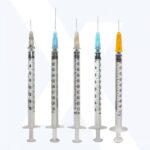
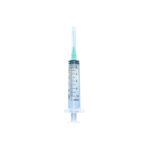
- Product Name: Disposable Syringe
- Capacity: 10ml
- Product Type: Sterile Disposable Syringe
- Material: Medical-Grade Plastic
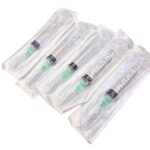
- Sterility: Individually Sterile Packed
- Usage: Single Use Only
- Latex-Free: Yes
- Needle: Needle not included unless specified on the product packaging
Disposable Syringe 10ml
Price range: ৳ 15.00 through ৳ 1,000.00Price range: ৳ 15.00 through ৳ 1,000.00 Select options -
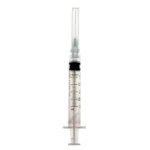
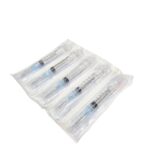
- Brand: JMI
- Product Name: Disposable Syringe
- Capacity: 3ml
- Product Type: Sterile Disposable Syringe
- Material: Medical-Grade Plastic
- Sterility: Sterile, Individually Packed
- Usage: Single Use Only
- Latex-Free: Yes
- Needle: Needle not included unless specified on the product package
Disposable Syringe 3ml
Price range: ৳ 10.00 through ৳ 500.00Price range: ৳ 10.00 through ৳ 500.00 Select options -
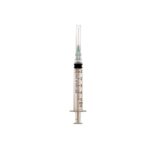
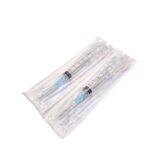
- Brand: JMI
- Product Name: Disposable Syringe
- Capacity: 5ml
- Product Type: Sterile Disposable Syringe
- Material: Medical-Grade Plastic
- Sterility: Individually Sterile Packed
- Usage: Single Use Only
- Latex-Free: Yes
- Needle: Needle not included unless specified on the product packaging
Disposable Syringe 5ml
Price range: ৳ 15.00 through ৳ 800.00Price range: ৳ 15.00 through ৳ 800.00 Select options
Buy Medical Syringe & Disposable Syringes in Bangladesh
Welcome to the ultimate destination for medical-grade syringe at Go Well. Whether you are a healthcare professional outfitting a clinic, a hospital administrator ordering bulk medical supplies, or a patient managing home healthcare needs, finding a reliable, sterilized disposable syringe is critical. In modern medicine, the safe administration of medications, precise withdrawal of fluids, and prevention of cross-contamination all rely heavily on high-quality injection tools.
Within our Medical Disposal category, we proudly stock a comprehensive range of sterile, single-use syringes from Bangladesh’s most trusted and certified manufacturers, including JMI and OSL. If you are looking for the most competitive disposable syringe price in Bangladesh or want to compare the syringe price in bd across different capacities—from the finest 1ml insulin syringes up to large 50ml feeding syringes—you have come to the right place.
What is a Disposable Syringe?
A disposable syringe is a sterile, single-use medical instrument used primarily to inject liquids into or withdraw fluids from the body. Unlike the reusable glass syringes of the past, which required rigorous, time-consuming sterilisation between uses, modern disposable syringes are manufactured from medical-grade plastics (such as polypropylene). They are assembled in highly controlled, clean-room environments and sterilized—usually using Ethylene Oxide (EO) gas—before being sealed in individual blister or poly packs.
The standard anatomy of a syringe includes three main parts:
-
The Barrel: The transparent outer tube that holds the fluid. It features clear, printed calibrations (graduations) allowing for precise volume measurement.
-
The Plunger: The piston-like rod that fits tightly inside the barrel. Pushing it dispenses the fluid, while pulling it draws fluid in.
-
The Gasket (Rubber Stopper): Located at the tip of the plunger, usually made of TPR (Thermoplastic Rubber) or synthetic rubber. It ensures a leak-proof seal and smooth gliding action.
Many disposable syringes come pre-attached with a stainless steel needle, while others are sold separately, allowing medical professionals to attach a specific needle gauge depending on the procedure.
The Critical Importance of Using Sterilized Syringes
The shift from reusable to disposable syringes is considered one of the most significant advancements in modern medical hygiene. The primary function of a disposable syringe is to be used once and then safely discarded.
-
Infection Control: Reusing needles or syringes carries a severe risk of transmitting bloodborne pathogens, including Hepatitis B, Hepatitis C, and HIV. Single-use syringes completely eliminate the risk of patient-to-patient cross-contamination.
-
Non-Toxic & Non-Pyrogenic: High-quality syringes are certified non-pyrogenic, meaning they do not contain bacterial endotoxins that could cause a fever or severe immune reaction when introduced to the bloodstream.
-
Sharpness and Patient Comfort: A needle loses its microscopic sharpness after a single injection. A fresh, disposable syringe ensures maximum needle sharpness, minimizing tissue trauma and pain for the patient.
Types of Disposable Syringes Available in BD
When browsing for a syringe, it is important to know that they are not one-size-fits-all. Different medical scenarios require specialized designs. The most common types found in Bangladesh include:
-
Standard Injection Syringes: These are the most common 2-part or 3-part syringes (ranging from 3ml to 20ml) used in hospitals and clinics for routine intramuscular (IM) or intravenous (IV) injections and blood collection.
-
Insulin Syringes: Specifically designed for diabetic patients. They have extremely fine, short needles built directly into the syringe barrel to minimize dead space. They are calibrated in “Units” (e.g., U-40 or U-100) rather than milliliters, matching the concentration of insulin.
-
Tuberculin Syringes: Small syringes (usually 1ml) calibrated in decimal fractions of a milliliter. They are used for administering very small, precise doses of medication, such as tuberculosis testing or pediatric vaccines.
-
Feeding and Irrigation Syringes: These are large-capacity syringes (usually 50ml or 60ml) equipped with a catheter tip rather than a needle hub. They are used for oral liquid feeding, tube feeding (enteral), or wound and surgical irrigation.
Standard Syringe Sizes and Their Primary Uses
Choosing the correct syringe capacity is vital for ensuring accurate dosage and proper fluid pressure. Here is a breakdown of the standard sizes available in our inventory:
1 ml Syringe
-
Primary Use: Subcutaneous injections, intradermal injections, and diabetic care.
-
Details: These provide the highest level of precision for micro-dosing. They feature very fine needles (often 29G to 31G) to ensure virtually painless injections for daily insulin users.
3 ml Syringe
-
Primary Use: Routine vaccinations, antibiotics, and general intramuscular injections.
-
Details: The 3ml syringe is the most universally used size in outpatient clinics and hospitals. It offers a perfect balance of volume for standard single-dose medications.
5 ml Syringe
-
Primary Use: Intravenous (IV) pushes, blood sample collection, and larger intramuscular doses.
-
Details: When a medication requires dilution or when a slightly larger volume is needed, the 5ml size is the medical standard.
10 ml Syringe
-
Primary Use: Medical mixing, flushing IV lines, and delivering large volume medications.
-
Details: These are frequently used by nurses to flush catheters with saline or to reconstitute powdered medications with sterile water before injection.
20 ml Syringe
-
Primary Use: Specialized medical procedures, veterinary applications, and animal/bird feeding.
-
Details: Too large for standard tissue injections, the 20ml syringe is often used for drawing large fluid volumes, transferring liquids in a lab, or by hobbyists for hand-feeding baby birds.
50 ml / 60 ml Syringe
-
Primary Use: Enteral feeding, wound irrigation, and severe dehydration treatment.
-
Details: These feature large, easy-to-read markings and are essential in ICU settings for patients who require liquid nutrition through a feeding tube.
Top Disposable Syringe Brands in Bangladesh
At Go Well, we prioritize quality and safety, which is why our inventory highlights the most reputable medical manufacturers in the region.
-
JMI (JMI Syringes & Medical Devices Ltd): A pioneer in Bangladesh’s medical device sector, JMI is renowned for producing world-class disposable syringes. Their products are heavily relied upon by top hospitals for their exceptional sterilization standards, minimal dead space, and ultra-sharp needles.
-
Getwell: A flagship brand in the medical supplies industry, Getwell syringes are exceptionally popular for both clinical and home use. They are known for their high-transparency medical-grade barrels, smooth TPR-gasket plunger movement, and affordability.
-
OSL (Opso Saline Limited): A veteran in the pharmaceutical and medical device arena, OSL produces robust, highly accurate syringes. Their 5ml standard syringes and 50ml large-capacity syringes are particularly well-regarded in surgical and critical care environments.
One of the most common inquiries we receive is regarding the disposable syringe price in Bangladesh. Because these items are essential, everyday consumables for the healthcare sector, pricing is kept highly accessible. The syringe price in bd varies depending on the capacity (ml), the brand, the type of tip, and whether it includes a needle.
Key Features of a High-Quality Syringe
When you buy a disposable syringe from our store, you are guaranteed specific quality benchmarks that ensure optimal performance and safety:
-
Medical Grade Polypropylene (PP): The barrel and plunger are made from highly transparent, medical-grade plastic, allowing the user to easily detect air bubbles or check the clarity of the medication.
-
Clear, Indelible Graduations: Accurate dosing is a matter of life and death. High-quality syringes feature bold, black scale markings that will not rub off or fade when exposed to liquids.
-
Smooth Plunger Action: Thanks to a precisely engineered, latex-free TPR (Thermoplastic Rubber) gasket, the plunger moves flawlessly without sticking or jerking, allowing for controlled, steady injections.
-
Minimal Dead Space: The design of the hub ensures that almost no medication is left behind in the syringe after the plunger is fully depressed, preventing the waste of expensive drugs.
-
Secure Packaging: Every syringe is individually packed in a sterile blister pack or tear-resistant poly pouch, ensuring it remains 100% sterile until the moment of use.
Luer Lock vs. Luer Slip: Understanding the Tip
As you browse the category, you will notice syringes described as having either a “Luer Slip” or “Luer Lock” tip. Understanding the difference is crucial for your specific application.
-
Luer Slip: The needle hub simply slides and pushes firmly over the tip of the syringe. Friction holds it in place. This type is faster to attach and detach and is generally used for routine injections where the fluid pressure is low.
-
Luer Lock: The tip of the syringe has a threaded collar. The needle hub twists and locks securely into the threads. This creates a highly secure, leak-proof connection that prevents the needle from accidentally popping off. Luer Lock is essential when injecting thick medications, pushing fluids into an IV line under pressure, or drawing blood.
Safe Usage and Proper Disposal Guidelines
Because the “Syringe” category falls under our broader Medical Disposal hub, we cannot stress enough the importance of proper post-use protocols. Improper disposal of sharps poses a severe health hazard to sanitation workers and the general public.
Best Practices for Usage:
-
Inspect the Package: Never use a syringe if the sterile packaging is torn, punctured, or compromised in any way.
-
Wash Hands: Always sanitize your hands and wear disposable medical gloves before handling syringes.
-
Expel Air: Always flick the barrel and push the plunger slightly to expel any trapped air bubbles before injecting a patient.
Best Practices for Disposal:
-
Do Not Recap: The majority of needle-stick injuries happen when trying to put the plastic cap back on the needle. If you must recap, use a one-handed “scoop” technique.
-
Use a Sharps Container: Immediately after use, drop the entire syringe and needle assembly into a rigid, puncture-proof “Sharps” disposal bin.
-
Never Throw in Regular Trash: Syringes should never be disposed of in standard household or commercial waste bins.
-
Incineration: Filled sharps containers should be handed over to certified medical waste management services for proper incineration.
Why Buy Medical Syringes from Go Well?
At Go Well, we understand that medical supplies demand zero compromises. When you choose us for your medical consumable needs in Bangladesh, you benefit from:
-
Guaranteed Authenticity: We source our inventory directly from authorized distributors of JMI, Getwell, and OSL. No counterfeit or substandard medical devices.
-
Comprehensive Selection: From micro-dosing 1ml insulin syringes to 50ml irrigation syringes, we carry every size required by modern medical practices.
-
Competitive Pricing: We offer the most transparent and competitive disposable syringe price in Bangladesh, with excellent margins for bulk B2B purchasers.
-
Fast, Reliable Delivery: Medical supplies are often urgent. Our streamlined logistics ensure fast, safe delivery right to your clinic, hospital, or doorstep across Bangladesh.
Frequently Asked Questions (FAQs)
Q1: What is the average disposable syringe price in Bangladesh?
Answer: The syringe price in bd is highly affordable. A standard 3ml or 5ml disposable syringe typically costs around ৳ 5.00 to ৳ 6.00 per piece. Larger sizes like 20ml range from ৳ 16.00 to ৳ 20.00, and 50ml sizes cost between ৳ 15.00 and ৳ 30.00. Prices are even lower when purchased in bulk boxes.
Q2: Which are the most trusted syringe brands in Bangladesh?
Answer: The market leaders for medical consumables in Bangladesh are JMI (JMI Syringes & Medical Devices Ltd), Getwell (Getwell Limited), and OSL (Opso Saline Limited). All three brands adhere to strict international sterilization and manufacturing standards.
Q3: Can I reuse a disposable syringe if I clean it with alcohol?
Answer: Absolutely not. Disposable syringes are strictly for single use. Cleaning them with alcohol does not fully sterilize the interior barrel, and the needle loses its microscopic sharpness after one use. Reusing them dramatically increases the risk of severe infections and tissue damage.
Q4: Do these syringes come with needles included?
Answer: Most standard sizes (1ml, 3ml, 5ml, and 10ml) usually come pre-packed with a correspondingly sized detachable needle (e.g., 23G or 24G). However, larger syringes (20ml, 50ml) are frequently sold without needles or feature catheter tips, as they are often used for feeding or irrigation rather than injections. Always check the specific product description on our page.
Q5: What is the difference between an insulin syringe and a standard syringe?
Answer: An insulin syringe (typically 1ml) is specifically calibrated in “Units” (such as U-100) to measure insulin accurately, rather than milliliters. It also features an ultra-fine, short needle permanently attached to the barrel to ensure painless, shallow subcutaneous injections and zero dead space.
 No products in the cart.