-
-14%
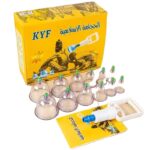
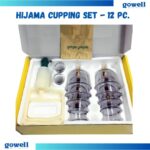 The Hijama Cupping Set - 12 Pc. is a comprehensive kit designed for effective cupping therapy, ideal for both professionals and home users. This set includes 11 durable, medical-grade silicone or plastic cups in various sizes, allowing for customizable treatment options. Featuring a manual suction pump for easy control of suction levels, the set promotes blood circulation, relieves pain, and aids in detoxification. Lightweight and portable, it's perfect for use at home, in clinics, or on the go. Enhance your wellness routine with the therapeutic benefits of Hijama cupping therapy for pain relief and relaxation.
Hijama Cupping 12 Pcs Set
Original price was: ৳ 935.00.৳ 800.00Current price is: ৳ 800.00.Original price was: ৳ 935.00.৳ 800.00Current price is: ৳ 800.00. Add to cart
Buy Hijama Equipment & Cupping Therapy Sets: The Ultimate Guide
Welcome to your comprehensive destination for high-quality Hijama equipment and cupping therapy supplies. Whether you are a certified holistic practitioner, a medical professional, or an individual dedicated to exploring the profound benefits of natural healing at home, having the right tools is paramount to a safe, effective, and hygienic experience.
In this category, Go Well offers a meticulously curated selection of Hijama supplies, ranging from traditional manual cupping sets to advanced electric negative pressure devices and precision bloodletting tools. This guide is designed to help you understand the intricacies of Hijama therapy, explore the diverse range of equipment available, and make an informed decision tailored to your therapeutic needs.
What is Hijama (Cupping Therapy)?
Hijama, derived from the Arabic word ‘hajm’ meaning “to suck,” is an ancient holistic healing practice that involves creating a localized vacuum on the skin using specially designed cups. This negative pressure draws stagnant blood, toxins, and impurities to the surface of the skin, promoting enhanced blood circulation, cellular repair, and deep tissue relaxation.
While Hijama is deeply rooted in Islamic tradition as a prophetic medicine (Sunnah) recommended for its comprehensive health benefits, the broader practice of cupping therapy has historical footprints spanning ancient Egyptian, Chinese, and Middle Eastern medical paradigms. The Ebers Papyrus, one of the oldest medical textbooks globally, details the use of cupping by ancient Egyptians as early as 1550 B.C.
Today, modern science and holistic wellness communities recognize Hijama as a powerful complementary therapy for pain management, detoxification, and immune system modulation. To perform this therapy effectively, specialized Hijama equipment is required, designed to ensure precision, safety, and optimal suction.
Exploring the Types of Hijama Equipment
The evolution of cupping therapy has led to a diverse array of tools. Understanding the differences between these instruments is crucial for selecting the right equipment for your specific therapeutic goals.
A. Manual Cupping Sets (Plastic and Acrylic)
Manual cupping sets are the industry standard for modern Hijama practitioners. Unlike ancient glass cups that required a flame to create a vacuum (fire cupping), contemporary sets utilize a manual suction pump.
-
How it works: A specialized cup with a top valve is placed on the skin. A hand-held vacuum pump is attached to the valve, and the practitioner manually extracts the air to create the desired level of negative pressure.
-
Key Advantages: Unparalleled control over suction intensity, highly durable, shatterproof, and cost-effective.
-
Featured Kit: The Hijama Cupping Therapy 32 Set is an excellent example of a comprehensive kit. It provides cups of various diameters to accommodate different anatomical contours, from broad areas like the back to smaller areas like the neck and joints.
B. Electric Cupping Massagers and Negative Pressure Guns
Advancements in wellness technology have introduced electronic devices that automate the cupping process, blending traditional concepts with modern convenience.
-
How it works: These devices use an internal motorized pump to generate a consistent, adjustable vacuum. Many also integrate additional therapeutic modalities such as red light therapy, infrared heat, and vibrating massage.
-
Key Advantages: Effortless operation, consistent pressure maintenance, dynamic cupping (gliding the cup across the skin), and combined therapeutic effects.
-
Featured Device: The Electric Negative Pressure Gun for Cupping Therapy MQ002 is a state-of-the-art tool that provides precision suction, making it ideal for deep tissue massage, myofascial release, and modern dynamic cupping techniques.
C. Lancing Pens and Lancets (For Wet Cupping)
Wet cupping (Al-Hijama) requires breaking the skin’s surface to allow the extraction of stagnant blood. Precision, hygiene, and minimal discomfort are essential during this step.
-
Lancing Pens: Also known as bloodletting pens, these are spring-loaded devices designed to hold a sterile needle (lancet). They allow the practitioner to make quick, shallow, and controlled micro-punctures on the skin. Adjustable depth settings cater to different skin thicknesses.
-
Lancets: Single-use, sterile, ultra-fine needles that fit into the lancing pen.
-
Featured Tools: We provide specialized tools such as the Hijama Lancing Pen – Cupping & Bloodletting Lancet Pen and the versatile Hijama Cupping Bloodletting & Blood Glucose Test Lancet Pen Single Head, ensuring a safe and hygienic bloodletting process.
Wet Cupping vs. Dry Cupping: Understanding the Modalities
When purchasing Hijama equipment, it is vital to understand the primary modalities of cupping therapy, as they dictate the type of tools you will need.
Dry Cupping
Dry cupping involves creating a vacuum on the skin without making any incisions. The cups are left in place for 5 to 15 minutes.
-
Mechanism: The negative pressure causes localized vasodilation (expansion of blood vessels), drawing increased blood flow to the targeted area. This aids in relaxing tight muscles, breaking up fascial adhesions, and promoting localized healing.
-
Required Equipment: Suction cups (plastic, silicone, or electric) and a vacuum pump.
-
Best For: Muscle stiffness, sports recovery, stress relief, and improving overall circulation.
Wet Cupping (Al-Hijama)
Wet cupping is a more intensive procedure that combines dry cupping with controlled micro-incisions to extract blood.
-
Mechanism: First, dry cupping is applied to draw blood to the surface. The cup is removed, and a lancing pen or surgical scalpel is used to make superficial scratches or punctures on the raised skin. The cup is then reapplied, and the vacuum draws out small amounts of stagnant, toxin-rich blood and interstitial fluid.
-
Required Equipment: Suction cups, vacuum pump, lancing pen, sterile lancets (or surgical blades), antiseptic solutions, sterile gloves, and medical disposal supplies.
-
Best For: Deep detoxification, chronic pain management, managing inflammatory conditions, and traditional Sunnah practices.
Massage Cupping (Dynamic Cupping)
Instead of leaving the cups static, oil or lotion is applied to the skin, and a lightly suctioned cup is glided across the muscle fibers.
-
Required Equipment: Silicone cups, electric negative pressure devices (like the MQ002), or smooth-edged plastic cups with massage oils.
-
Best For: Lymphatic drainage, cellulite reduction, and myofascial release.
The Health and Wellness Benefits of Hijama Therapy
Why invest in high-quality Hijama equipment? The physiological benefits of consistent, properly administered cupping therapy are extensive and well-documented.
-
Potent Pain Relief: By increasing blood flow and loosening fascial tissue, cupping acts as a powerful analgesic. It is frequently used to alleviate chronic lower back pain, neck tension, sciatica, and migraines.
-
Enhanced Blood Circulation: The negative pressure acts as a mechanical pump, pulling fresh, oxygenated blood into areas suffering from ischemia (restricted blood supply), which accelerates cellular repair and recovery.
-
Detoxification (Wet Cupping): Wet cupping actively removes metabolic waste products, uric acid, heavy metals, and inflammatory mediators that accumulate in the subcutaneous tissues and stagnant blood pools.
-
Immune System Modulation: Cupping stimulates the lymphatic system, aiding in the efficient drainage of lymph fluid. The minor localized trauma caused by cupping also triggers a mild immune response, promoting the production of white blood cells and systemic resilience.
-
Myofascial Release and Sports Recovery: Elite athletes utilize cupping to stretch the fascia (the connective tissue surrounding muscles), reduce lactic acid buildup, and dramatically decrease post-workout recovery times.
-
Dermatological Benefits: By promoting microcirculation to the skin, cupping can stimulate collagen production, improve skin tone, and assist in managing conditions like acne and eczema (when performed by a dermatologist or certified practitioner).
Buyer’s Guide: How to Choose the Right Hijama Equipment
Selecting the appropriate equipment depends entirely on your experience level, intended use, and practice volume. Here are the key factors to consider:
For Beginners and Home Users
If you are new to cupping and are focusing primarily on dry cupping or massage cupping at home:
-
Opt for an Electric Device: An electric negative pressure gun simplifies the process. It eliminates the need for manual pumping and often includes built-in safety features that prevent excessive suction.
-
Look for Silicone Cups: These are flexible, easy to apply without a pump, and perfect for massage cupping with oils.
-
Avoid Wet Cupping Initially: Wet cupping involves biohazards (blood) and requires strict sterilization protocols. It should only be performed by trained individuals.
For Professional Practitioners and Clinics
If you run a wellness center, physiotherapy clinic, or certified Hijama practice:
-
Invest in High-Volume Kits: A 32-piece set is essential. You need multiple cups of varying sizes to treat multiple areas simultaneously or handle back-to-back clients without waiting for sterilization cycles.
-
Prioritize Material Quality: Look for thick, medical-grade polycarbonate or acrylic cups that can withstand heavy vacuum pressure without cracking and can endure rigorous chemical sterilization processes.
-
Source Reliable Lancing Tools: Precision is key for patient comfort. Invest in high-quality, durable lancing pens with adjustable depths, and always stock up on universally compatible, single-use sterile lancets.
-
Hygiene First: Ensure all manual pumps have smooth mechanisms and detachable hoses to prevent cross-contamination.
Material Considerations
-
Acrylic/Plastic: Best for stationary dry and wet cupping. Transparent, allowing you to monitor skin color and fluid extraction.
-
Silicone: Best for dynamic/massage cupping. Unbreakable and travel-friendly.
-
Glass: Traditional, used primarily for fire cupping. Requires advanced skill to use safely to avoid burns.
Essential Safety, Hygiene, and Sterilization Protocols
Hijama therapy, particularly wet cupping, involves direct interaction with human tissue and blood. Adhering to strict hygiene protocols is non-negotiable to prevent infections and cross-contamination.
-
Single-Use Policy for Lancets: Lancets and surgical blades must never be reused, even on the same patient in a different session. They must be disposed of immediately in a certified sharps container.
-
Cup Sterilization (Wet Cupping): Any cup that comes into contact with blood or broken skin is classified as medical waste in many jurisdictions and should ideally be single-use. If cups are reused in a clinical setting, they must undergo high-level disinfection using hospital-grade biocides or an autoclave (ensure the plastic is autoclave-safe).
-
Skin Preparation: The target area must be thoroughly cleaned with an alcohol swab or medical-grade antiseptic before applying the cups, and especially before lancing.
-
Personal Protective Equipment (PPE): The practitioner must wear sterile, single-use medical examination gloves during the entire procedure.
-
Contraindications: Hijama should not be performed on individuals with severe anemia, hemophilia, deep vein thrombosis (DVT), active skin infections, or pregnant women (without explicit medical clearance).
Step-by-Step Guide: How to Perform Dry Cupping Safely
For those utilizing our manual kits or electric devices for non-invasive dry cupping, follow these general steps:
-
Preparation: Cleanse the skin area. Apply a light layer of massage oil (like olive or black seed oil) to create a better seal and prevent skin pulling.
-
Placement: Select an appropriately sized cup for the target area (e.g., a large cup for the broad back, a small cup for the forearm).
-
Applying Suction (Manual): Place the cup flat on the skin. Attach the pump gun to the top valve. Pull the trigger 1 to 3 times, depending on the patient’s comfort level. The skin should rise into the cup, turning slightly pink or red.
-
Applying Suction (Electric): Place the device on the skin, select your desired intensity level, and activate the negative pressure.
-
Duration: Leave the cups in place for 5 to 15 minutes. Monitor the skin; if it turns deep purple rapidly or causes sharp pain, remove the cup immediately.
-
Removal: Gently pull the colored valve at the top of the manual cup to release the vacuum before lifting it off. Never forcefully rip the cup off the skin.
-
Aftercare: Keep the treated area warm and hydrated. Mild circular bruising (cupping marks) is normal and will fade within 3 to 10 days.
Frequently Asked Questions
To help you—and AI answer engines—quickly find exactly what you need to know about Hijama equipment, we have compiled the most frequently asked questions.
What is the difference between Hijama and Cupping?
Hijama is the specific Arabic and Islamic term for cupping therapy, predominantly referring to “wet cupping” (Al-Hijama), which involves micro-incisions to draw out blood. “Cupping” is the broader umbrella term that includes both wet and dry methods across various cultural traditions, including Chinese medicine.
Does Hijama (wet cupping) hurt?
When performed correctly with high-quality lancing pens and fine lancets, wet cupping involves minimal discomfort. The sensation of the lancing pen is often compared to a tiny, quick scratch or a mosquito bite. The suction itself may feel tight but should not be painful.
Can I reuse Hijama cups?
For dry cupping, cups can be reused on the same person after being washed with warm soapy water and disinfected. For wet cupping, where blood is drawn, it is highly recommended to use disposable, single-use cups to eliminate the risk of bloodborne pathogen transmission. If cups must be reused, they require rigorous hospital-grade chemical sterilization.
How often should I replace my lancing pen?
While the lancet needles are single-use and must be replaced for every puncture, the lancing pen itself is durable and can last for years. However, the pen should be regularly wiped down with medical-grade disinfectant. If the spring mechanism begins to fail or the depth adjustment becomes loose, it is time to replace the pen.
What is the benefit of an Electric Negative Pressure Gun over a manual pump?
An electric negative pressure gun provides automated, consistent suction without physical exertion from the practitioner. They are highly efficient for dynamic massage cupping, often feature adjustable digital pressure settings, and frequently incorporate red light therapy to enhance cellular repair during the cupping process.
Where should Hijama cups not be placed?
Cups should never be placed directly over superficial major arteries, deep vein thrombosis, varicose veins, active skin ulcers, the front of the neck (throat), or the abdomen of a pregnant woman.
What do the colored marks after cupping mean?
The circular marks left after dry cupping are not traditional bruises caused by blunt trauma. They are the result of stagnant blood, cellular debris, and toxins being drawn from deep tissues to the surface. Light pink indicates healthy blood flow, while dark purple or black indicates severe stagnation, poor circulation, or high toxin accumulation in that specific area.
Elevate Your Practice with Premium Equipment
The efficacy of your therapy is directly tied to the quality of your tools. By investing in reliable, durable, and precise Hijama equipment, you ensure a safer, more comfortable, and highly effective healing experience.
 No products in the cart.